June 21–25, 2027 | London and Online
SaTA Global Congress 2027
Integrating Science, Traditional Wisdom & Global Collaboration
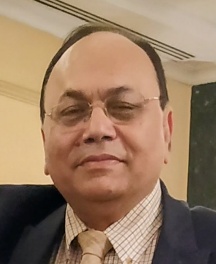
Welcome Message
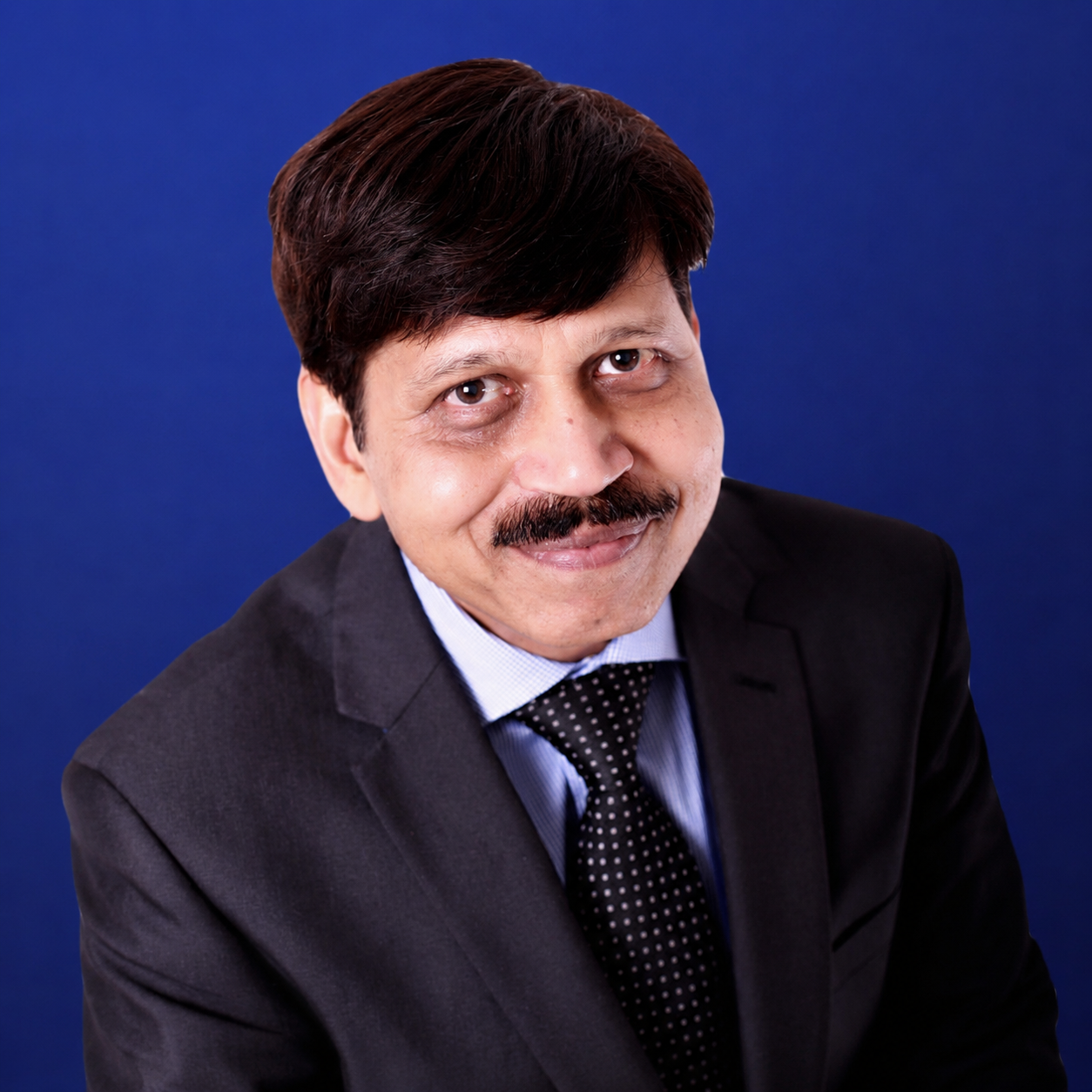
On behalf of the Board and Scientific Committee, I take great pleasure in welcoming you to the SaTA Global Congress 2027, scheduled for June 21–25, 2027 in London and online. This congress will convene distinguished practitioners, researchers, clinicians, policymakers, and traditional knowledge holders to discuss breakthroughs at the intersection of science and tradition.
We look forward to your participation in this unique gathering dedicated to integrative knowledge, evidence-informed practice, and global collaboration.
SaTA Congress 2027 | Hybrid Event
The SaTA Global Congress 2027 is a premier international platform dedicated to advancing knowledge, research, and practice across science and traditional knowledge systems. Hosted in a hybrid format, the congress enables both in-person and virtual participation from across the globe.
Theme: Integrative Approaches for Whole-Person Care and Planetary Health
Set in London, the congress offers a unique opportunity for cross-cultural exchange and international collaboration. It seeks to inspire ethical practice, sustainability, and innovation in integrative medicine, education, governance, and technology.
Read More →Conference Dates
Conference Venue
Hybrid — In-Person & Online
Quick Links
Scientific Sessions
Foundations: Epistemology, Civilisations & Knowledge Systems
How human beings across civilisations ask, pursue, and validate what is true. This session examines oral tradition, embodied knowledge, ritual, symbolism, and the validation standards appropriate to different kinds of inquiry.
- Comparative epistemologies across cultures
- Oral tradition as living archive
- Embodied and experiential knowledge
- Science-tradition dialogue frameworks
- Preserves cultural and intellectual heritage
- Creates rigorous dialogue between knowledge systems
- Informs integrative research methodologies
Consciousness, Mind & the Nature of Reality
From metaphysics to neuroscience and the lived experience of awareness. This session brings together first-person contemplative evidence and third-person neuroscience to advance understanding of mind, self, and reality.
- Neuroscience of meditation and attention
- Contemplative first-person methods
- Identity, self, and awareness
- Mind-body integration in health
- Bridges inner experience and objective science
- Supports mental health and well-being
- Enriches philosophical and clinical inquiry
Health, Medicine & Integrated Healing Systems
Clinical science, public health, and traditional care models working together. Explore evidence-informed integration of Ayurveda, TCM, Yoga therapy, Indigenous medicine, and modern biomedicine.
- Integrative clinical models
- Prevention and lifestyle-oriented care
- Research evaluation of traditional therapies
- Policy and safety frameworks
- Addresses chronic disease burden
- Supports patient-centred holistic care
- Builds sustainable healthcare systems
Music, Sound, Mathematics & Resonance
Order, harmony, and structure across artistic and scientific domains. Investigate acoustic physics, music therapy, mathematical patterns in nature, sacred geometry, and sound-healing traditions.
- Physics of sound and resonance
- Music therapy and cognition
- Mathematical patterns in nature
- Traditional sound-healing practices
- Connects beauty, order, and well-being
- Informs therapeutic and educational design
- Bridges arts, science, and tradition
Architecture, Ecology & Sustainable Living
Built form, nature, and the conditions for human flourishing. Examine traditional building wisdom, regenerative design, urban planning, and ecological science for sustainable communities.
- Traditional and vernacular architecture
- Climate-adapted and biophilic design
- Regenerative ecosystems and food systems
- Community resilience and sustainability
- Links human habitats with planetary health
- Preserves culturally meaningful design
- Supports climate adaptation
Economics, Governance & Social Systems
From extractive growth to regenerative prosperity and just institutions. Discuss alternative prosperity indicators, participatory governance, commons management, and circular economies.
- Regenerative and circular economics
- Participatory and distributive governance
- Traditional commons and stewardship models
- Ethics of power and institutional reform
- Reduces inequality and ecological harm
- Rebuilds trust in institutions
- Aligns policy with long-term flourishing
Education, Learning & Human Development
How societies shape minds, values, and capacities across the lifespan. Reimagine education by combining learning sciences, developmental psychology, and traditional pedagogical wisdom.
- Whole-person curriculum design
- Mentorship, apprenticeship, and initiation
- Emotional, ethical, and creative development
- Lifelong learning and community education
- Supports identity, character, and wisdom
- Prepares learners for complex global challenges
- Honours cultural and ecological rootedness
Artificial Intelligence, Technology & the Future
Tools, agency, and the ethical boundaries of emerging technologies. Develop culturally grounded, ethically robust frameworks for AI governance, digital health, and technological innovation.
- Ethical AI governance frameworks
- Technology and human flourishing
- Digital health and traditional knowledge
- Long-term risk and responsibility
- Steers innovation toward public good
- Protects agency, privacy, and equity
- Integrates wisdom traditions with rapid change
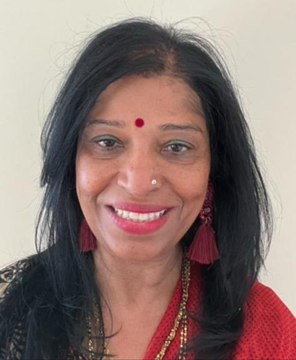
Scientific Committee


Join the Movement
Be part of a global community uniting science and tradition for a more integrated, flourishing world.
Become a Member / Register